Does Attic Ventilation Matter for an Arizona Roof?

Yes, attic ventilation matters for your roof in Arizona more than almost anywhere else, because a sealed attic in Sun City can run well above 140 degrees on a summer afternoon. That heat bakes shingles from underneath, cooks the underlayment beneath tile, and pushes heat down through the ceiling into the house. Good ventilation lets that air out, and it is one of the cheapest things a roofer can get right on a new roof or fix on an old one.
What happens in a Sun City attic in July
Picture the attic as a closed box with the sun on the lid. Air comes in nowhere, air leaves nowhere, and the temperature climbs all afternoon. On a 112 degree day, I have measured attics at 150. Shingles lose their oils faster when they are hot on both sides, which is why a poorly vented roof curls and cracks years early. Under tile, the underlayment fails the same way. Your air conditioner feels it too, since the ducts run through that attic.
How a vented roof is supposed to breathe
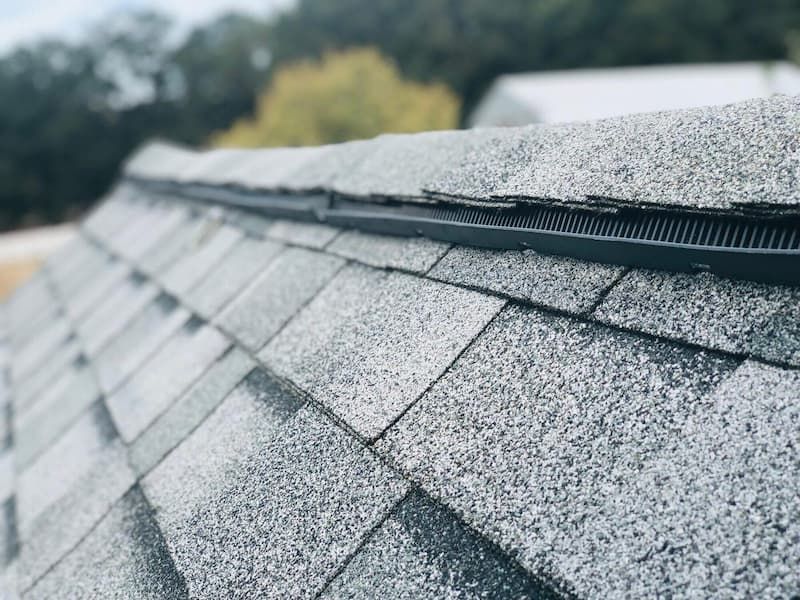
Ventilation is a loop. Cooler air comes in low, at the soffit or eave vents, and hot air leaves high, through a ridge vent, roof turbines, or box vents near the peak. Hot air rises on its own, so a balanced system needs no power. The rule of thumb is roughly one square foot of net vent opening for every 150 square feet of attic floor, split evenly between intake and exhaust. The most common mistake we see on roof repair calls in Sun City is plenty of exhaust and almost no intake. The turbines spin, but they are pulling air from the house through every ceiling gap instead of from outside, which means they are pulling your cooled air into the attic.
The intake problem on older West Valley homes
A lot of Sun City and Sun City West homes were built with narrow soffits and a handful of small eave vents. Over the decades, those vents get painted over, buried in insulation from the inside, or blocked by a bird's nest. The exhaust vents on the roof are still there, so the homeowner thinks the attic is vented. When we do a roof inspection, the eaves are the first place I look, because fixing intake is usually simple: clear the vents, add baffles so the insulation stays off them, and add a few more if the math does not work.
A Sun City West re-roof that fixed a hot house
A retired couple in Sun City West called us about shingles that had curled badly on the south slope while the north slope looked fine. The attic was the reason. Three box vents at the top, zero working intake at the bottom. When we installed the new roof, we added a continuous ridge vent, cleared and added soffit intake, and put baffles at every rafter bay. The next summer they told us the back bedrooms were comfortable for the first time in years. The ventilation is what will make those shingles last.
Honest counterpoint: when ventilation is not the fix
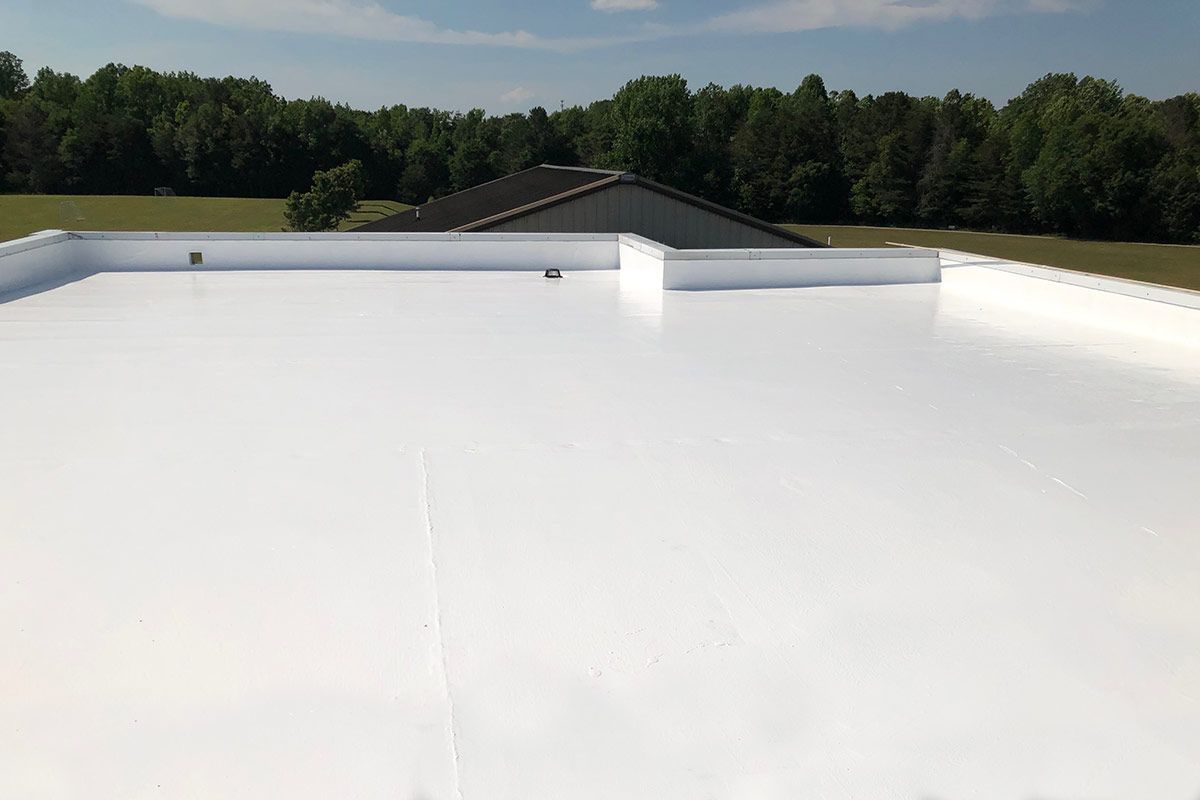
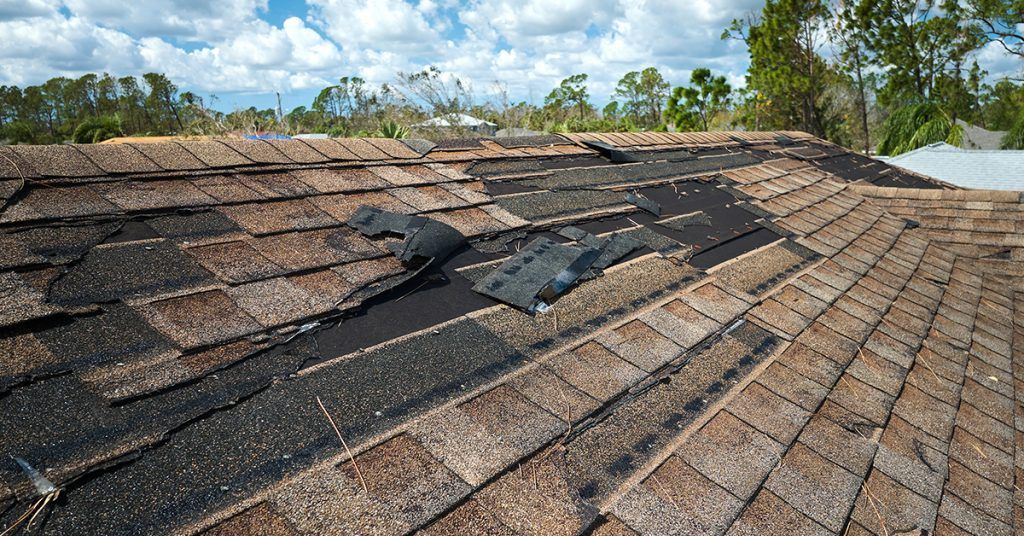
Ventilation will not save a roof that is already worn out. If the shingles are brittle or the tile underlayment has failed, adding vents is a good idea but it does not put life back into the materials, and our post on spotting heat damage on shingles shows what that looks like. Foam and flat roofs are a different system entirely and are usually unvented by design. Homes with spray foam insulation on the underside of the roof deck have a sealed attic on purpose, and cutting vents into that is wrong. And no amount of attic venting makes up for thin insulation on the attic floor. Ventilation and insulation are partners, not substitutes.
Attic ventilation options that work in Arizona
• Ridge vent with soffit intake: the quietest and most even system, and our first choice on a new shingle or tile roof.
• Turbines: work well when intake is adequate, but they wobble and squeak with age.
• Static box vents: fine in numbers, but they need to be spaced along the ridge, not clustered.
• Solar attic fans: helpful on roofs with limited ridge, as long as the intake can keep up.
• Radiant barrier: not ventilation, but it cuts the heat reaching the attic in the first place and pairs well with it.
Let us check how your attic breathes
Sun City Roofing Pros is a family-owned, licensed and insured roofer local to the West Valley. We stand behind our work, and we look at ventilation on every inspection and every new roof, because a cool attic is the difference between a roof that lasts and one that does not. Call 623-335-4009 for an estimate in Sun City, Sun City West, Surprise, Peoria and the surrounding area.
Frequently asked questions
How can I tell if my attic ventilation is bad?
Curled or cracked shingles on the sunny slopes, a ceiling that feels warm to the touch in the afternoon, rooms that never cool down, and eave vents that are painted over or blocked are the usual signs.
Does a tile roof need attic ventilation too?
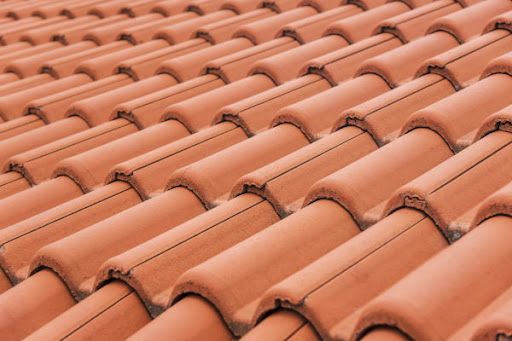
Yes. Tile shades the deck, but the attic under it still heats up, and the underlayment is what fails first. Vented tile roofs keep their underlayment longer.
Can I add attic ventilation without replacing the roof?
Usually. Soffit vents, baffles and a ridge or box vent can be added to an existing roof in a day. A new roof is simply the easiest time to get it all right.
Attic ventilation is not glamorous, but in Arizona it decides how long your roof lasts and how hard your air conditioner works. Get the intake right, get the exhaust right, and the rest of the roof has a much easier life.
Contact Sun City Roofing Pros
Sun City Roofing Pros
9885 W Union Hills Dr
Suite 8
Sun City, AZ 85373
Phone: 623-335-4009
Stay connected with Sun City Roofing Pros for roofing tips, project updates, and helpful information for property owners and contractors across the Phoenix area.
Follow Sun City Roofing Pros Online: