What Does Monsoon Damage Look Like on a Tile Roof?
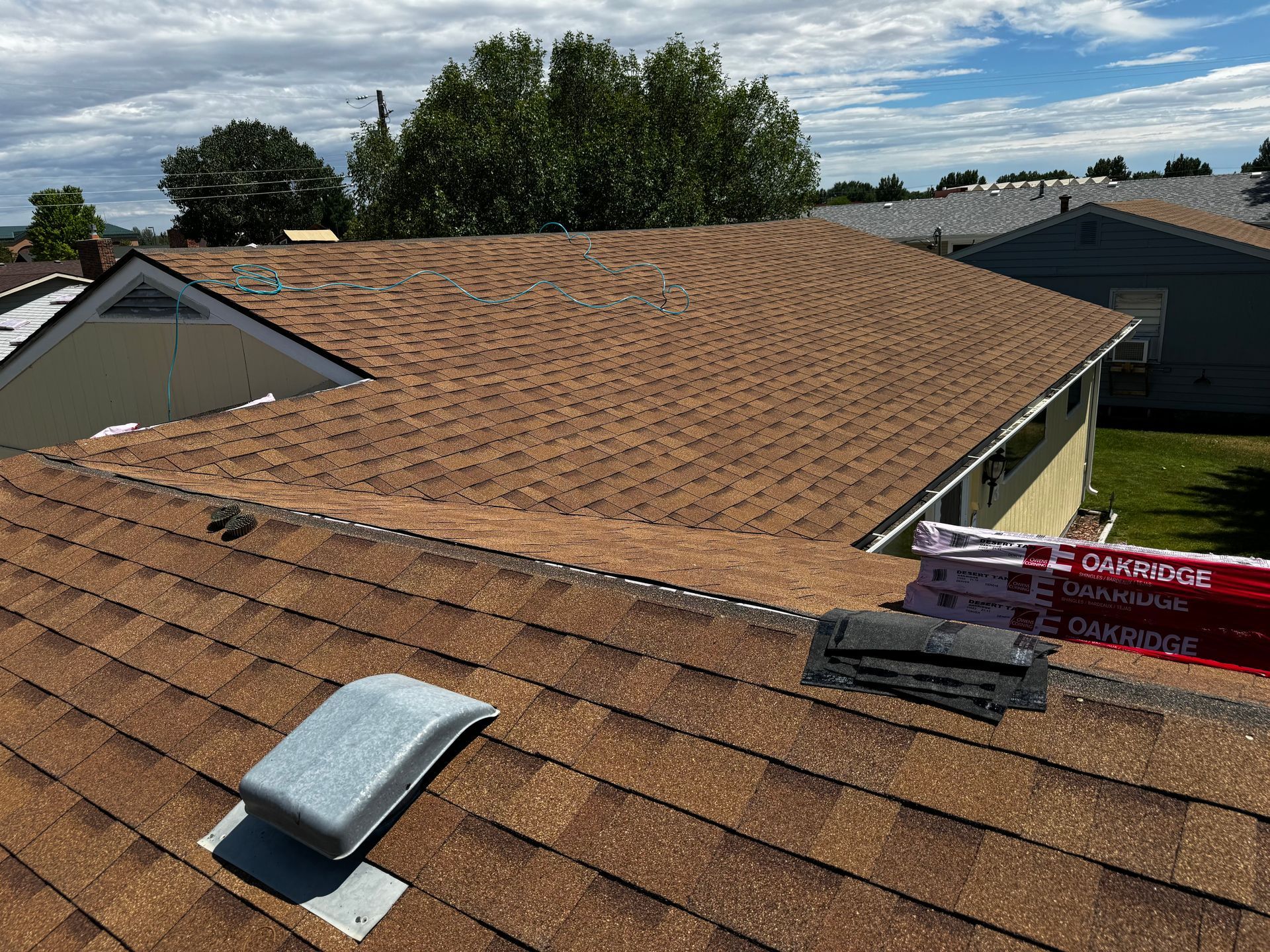
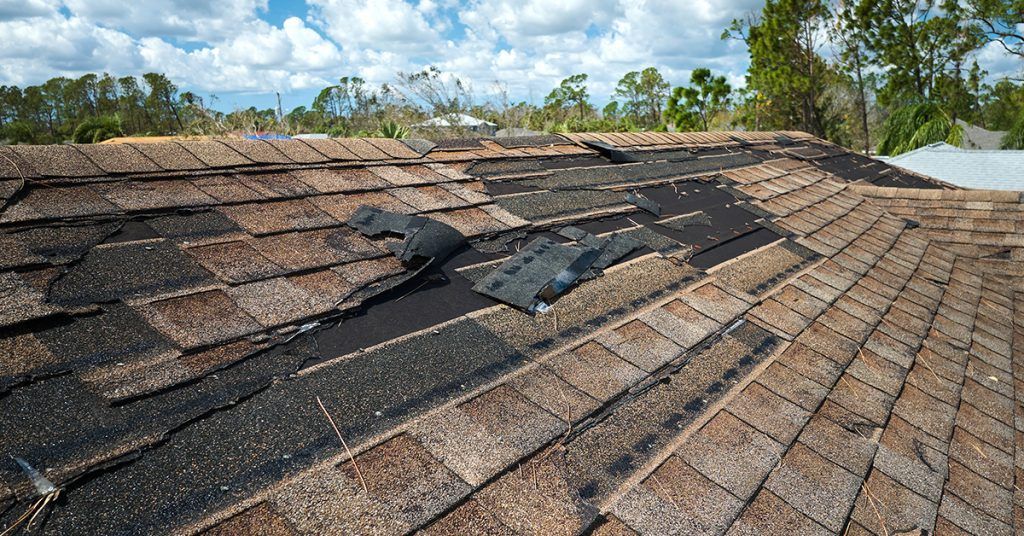
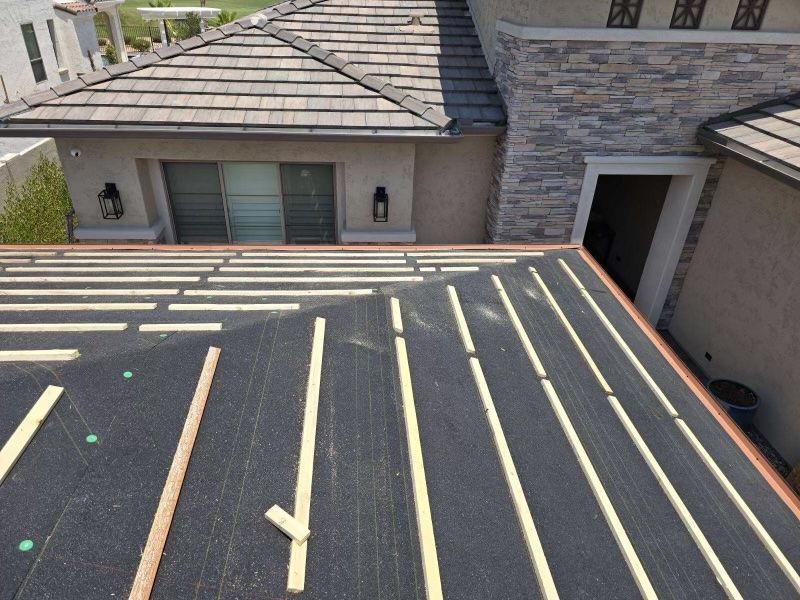
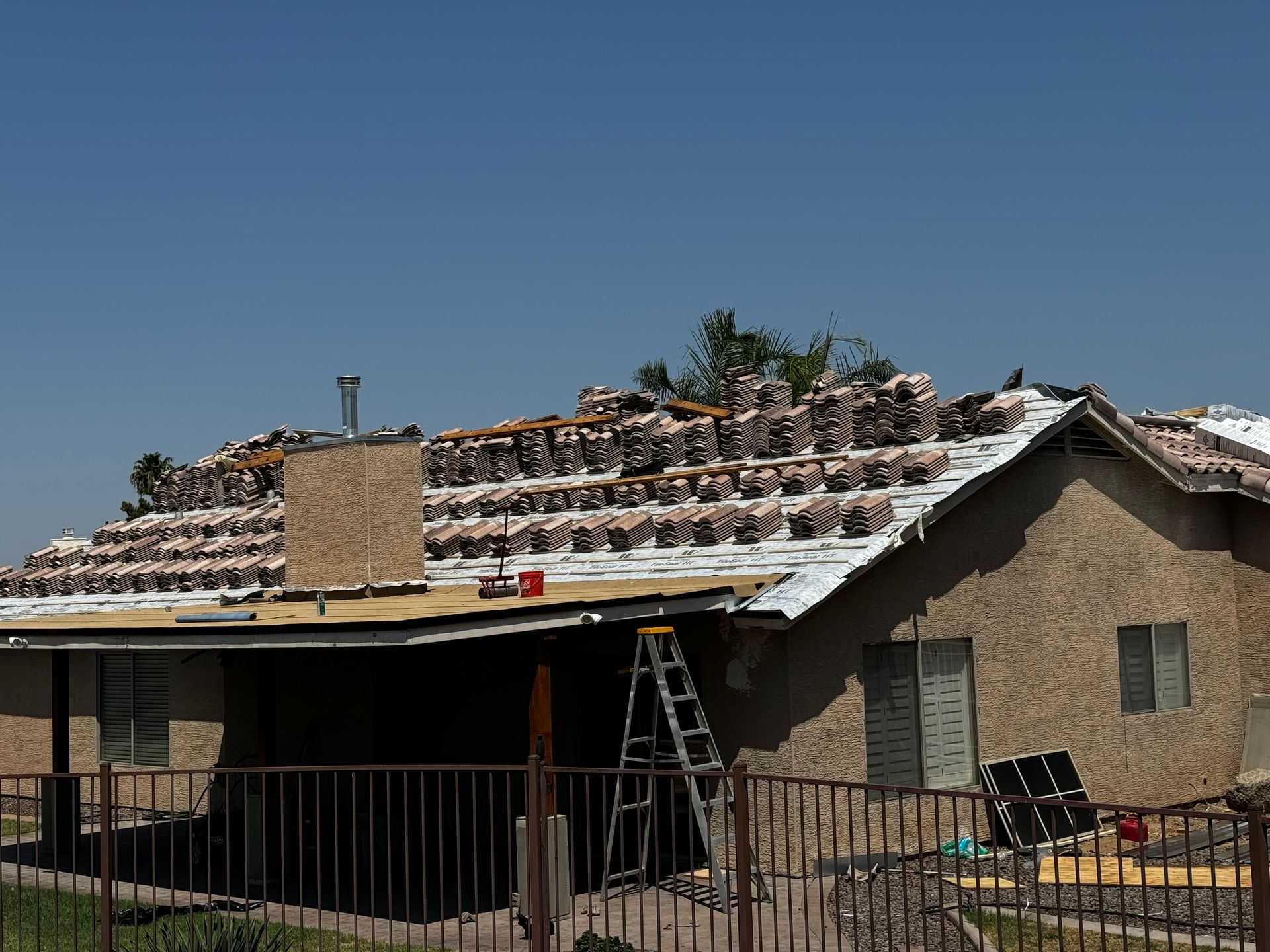
Most monsoon damage on a tile roof does not look like damage. It looks like a roof missing one tile, or a few tiles sitting a little crooked, or a roof that looks perfectly normal from the driveway while the underlayment beneath it is torn. The tile is not what keeps water out of your house. The underlayment under the tile is.
Now that the season is winding down, this is the right time to look. Here is what we check on a Sun City roof after a storm, and what you can safely look at from the ground.
What You Can See From the Ground
Grab binoculars and walk the perimeter of your house. You are looking for anything that breaks the pattern.
• Slipped tiles. One sitting lower than its neighbors, or one that slid down the slope.
• Cracked or broken tiles, especially along ridges and hips where wind pressure is highest.
• Tile pieces in your yard or in the gravel around the house. That is the most reliable sign of all.
• Debris piled in valleys. Palm fronds and gravel dam the water and force it sideways under the tile.
• Sagging fascia and gutters pulled away from the edge.
• Stains on a ceiling or the top of an interior wall. By then water has been getting in for a while.
The Monsoon Damage You Cannot See
This is where tile roofs fool people. Tile is a rain shield and a sun shield. It sheds the bulk of the water and protects what is underneath from ultraviolet light. But water gets past tile in a driving storm, and when it does, the underlayment carries it back out.
In Arizona sun, underlayment ages faster than most homeowners realize. A storm with 60 mile per hour gusts lifts tiles, flexes them, and works on a layer that is already brittle. The tiles settle back down and the roof looks fine. The tear underneath does not heal.
The other invisible one is displaced tiles that never fell. Wind lifts a tile, it drops back slightly out of position, and now it no longer laps the tile below it correctly. Water that should run down the surface runs under it instead. It can leak for a year before anybody notices.
A Sun City West Roof That Looked Perfect
We got called out to a house in Sun City West last fall for a small ceiling stain in a back bedroom. The homeowner had looked at the roof from the yard and could not see anything wrong, and honestly, neither could I from down there.
Up top it was a different story. A run of about a dozen tiles along one hip had shifted maybe an inch during a storm that summer. Not enough to see, enough to break the lap. Underneath, the underlayment had a foot-long tear and the decking around it was already soft.
The repair stayed manageable because he called about a small stain instead of waiting for a big one. That is the whole argument for looking now.
The Honest Counterpoint: Not Every Missing Tile Is an Emergency
I do not want to scare anybody into a repair they do not need. Tile roofs are tough, and a single broken tile in the middle of a field of good tile is not water pouring into your house tonight.
What matters is where the damage is and what is under it. A broken tile over sound underlayment is a tile swap. A broken tile over underlayment at the end of its life is the first hole in a dam. Location matters too: damage in a valley, at a hip or ridge, or near a vent or skylight is far more urgent than the same damage mid-slope.
So the answer to whether it is urgent is almost always the same. Somebody has to get up there and look, which is why a roof inspection after monsoon season beats any amount of guessing from the driveway.
What to Do After a Storm
Do your ground-level walk within a day or two, while the evidence is still in the yard. Photograph anything you find, with the date, because that documentation matters if you end up filing an insurance claim.
Please do not climb up there. Concrete and clay tile break under foot traffic, and walking a tile roof without knowing where the battens are turns one problem into several.
Our tile roof page covers how these systems are built, and our post on summer roof repairs and replacements covers what to expect when work happens in the heat.
Call Sun City Roofing Pros
If you think you have monsoon damage, or you just want eyes on the roof before next season, we will come out and look. We are family owned, licensed and insured, local to the West Valley, and we stand behind our work.
Call Sun City Roofing Pros at 623-335-4009 for an estimate, or read more about tile roof repair. We serve Sun City, Sun City West, Surprise, Peoria, Glendale, Goodyear, Litchfield Park, Avondale, Buckeye and El Mirage.
Frequently Asked Questions
How soon after a storm should I get my tile roof inspected?
Within a few weeks if you saw anything at ground level, and once at the end of the season either way. Damage documented close to the storm is much easier to tie to that event if insurance gets involved.
Can I just replace a few broken tiles myself?
We would not recommend it. Beyond the fall risk, walking a tile roof breaks more tiles than it fixes, and swapping a tile without checking the underlayment underneath treats the symptom while the leak path stays open.
Does homeowners insurance cover monsoon roof damage?
Storm damage is often covered while wear and age generally are not, and where a claim lands depends on your policy and your adjuster. Photographs taken soon after the storm help. Ask your carrier before assuming either way.
Contact Sun City Roofing Pros
Sun City Roofing Pros
9885 W Union Hills Dr
Suite 8
Sun City, AZ 85373
Phone: 623-335-4009
Stay connected with Sun City Roofing Pros for roofing tips, project updates, and helpful information for property owners and contractors across the Phoenix area.
Follow Sun City Roofing Pros Online: