How Long Does a Tile Roof Last in Arizona?

The tile itself will usually outlast you. Concrete tile commonly lasts 50 years or more in Arizona and clay tile longer. What does not last that long is the underlayment underneath, which typically needs replacing in the 20 to 30 year range. That second number decides when your roof needs work.
This is the biggest misunderstanding I run into around Sun City and Sun City West. Homeowners look up, see tile in good shape, and figure the roof is fine. But the tile is armor, not waterproofing. It sheds the bulk of the water, while the underlayment on the deck beneath it is the actual barrier that catches whatever a driving monsoon rain pushes past. So a tile roof has two clocks running at very different speeds, and when people say tile lasts a lifetime they are talking about the part you can see.
Why Underlayment Fails Faster Here
Arizona is unusually hard on underlayment:
• Heat. Deck temperatures under tile in a Valley July are extreme, and that drives the oils out of asphalt-based underlayment until it goes brittle and cracks.
• UV at any gap. Where tile is broken, slipped or missing, our sun works on the underlayment directly, helped by daily thermal cycling.
• Monsoon wind-driven rain, pushed sideways and uphill under the tile. Exactly what underlayment exists for, and exactly when a brittle one fails.
The Lift and Relay: The Job Most Sun City Homeowners Actually Need
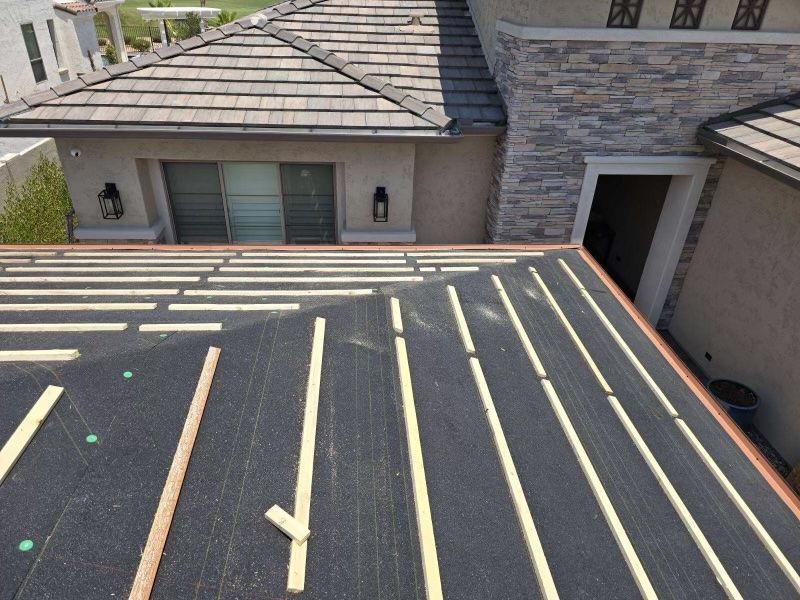
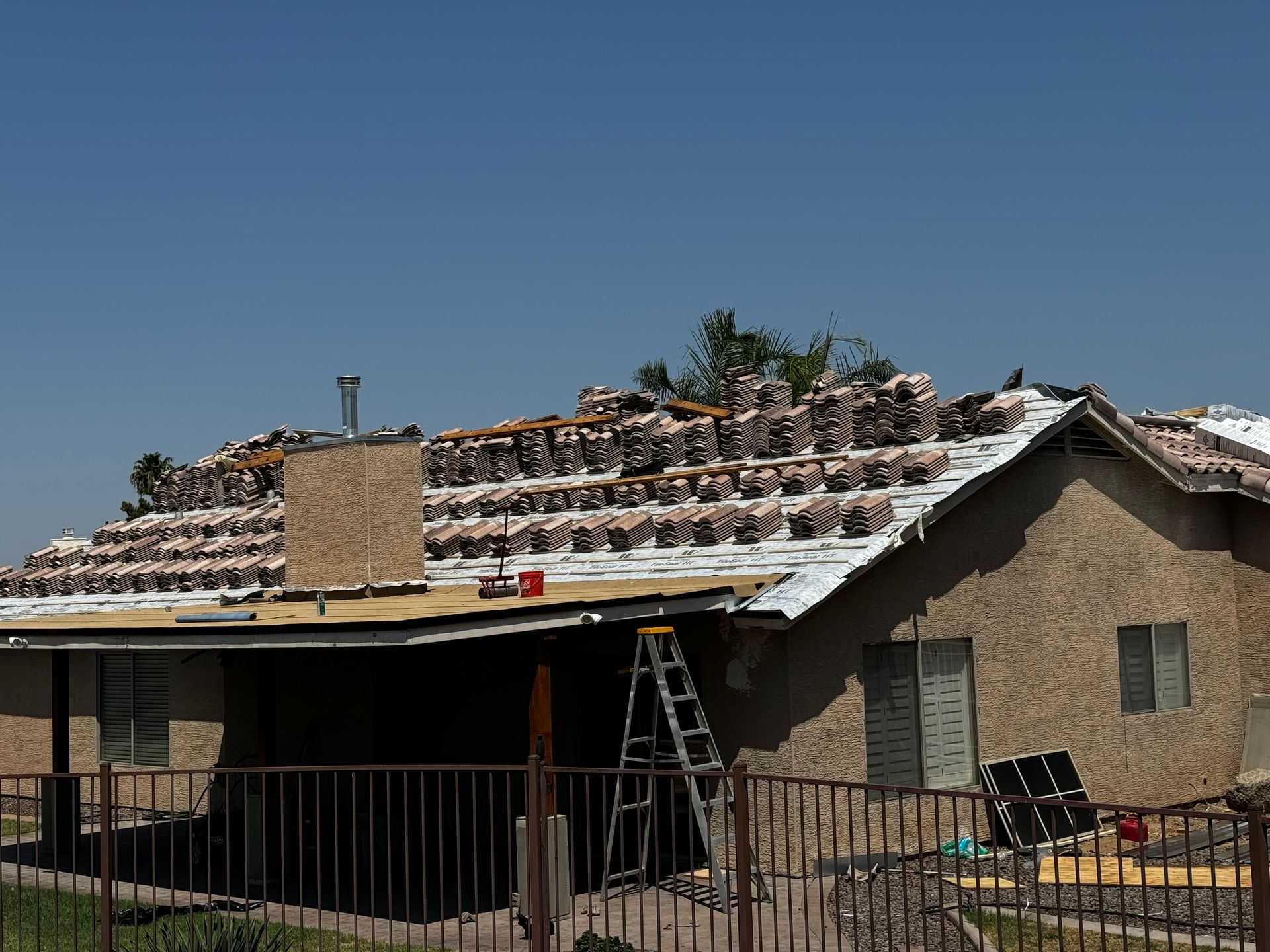
Older organic felt is shortest-lived, and plenty of Sun City homes still have their original layer. Here is the good news. If your tile is sound, you often do not need new tile. We lift it off, stack it, replace the underlayment and flashings, and relay the same tile.
I did a house in Sun City West where the owner had been quoted for a complete tear-off and a whole new tile roof. The tile was solid, a handful of cracked pieces and nothing more, but the underlayment was original and crumbled when you touched it. We lifted the tile, replaced the underlayment and the flashings at the valleys and penetrations, swapped the broken tiles and relaid the rest. Same roof to look at, decades of life back in it, and she did not pay for tile she already owned. That is the first thing I look for on a roof of that era.
What Actually Tells You Where You Stand
• Age. If the underlayment has never been replaced and the house is 25 or more years old, assume borrowed time even with no leak.
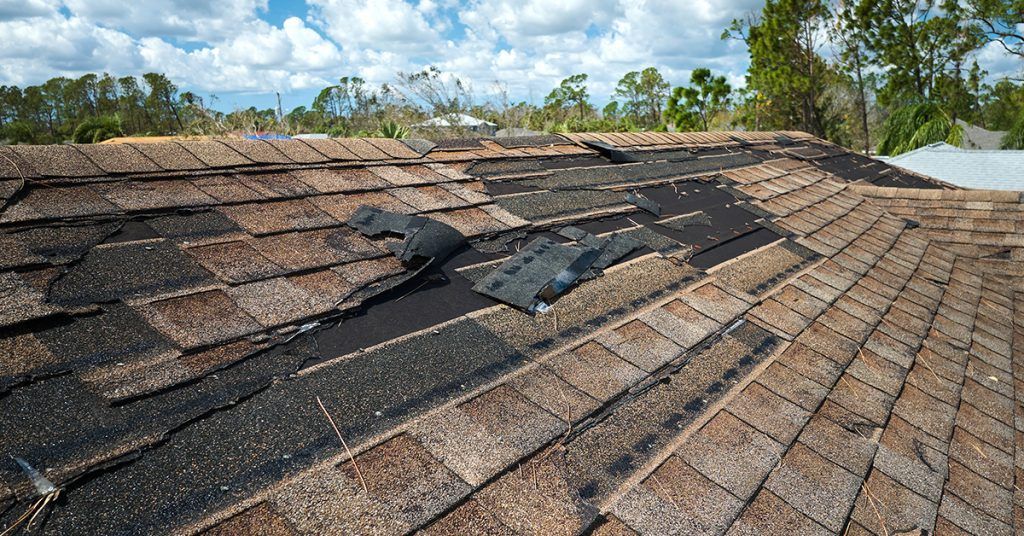
• Slipped or broken tiles. Sliding means fasteners or underlayment are letting go, and either way the layer beneath sits exposed to sun.
• Debris in the valleys, which is where roofs leak. A blocked valley holds water where it should be moving.
• Ceiling stains after the first real monsoon storm. By the time it shows inside, water has been up there a while.
• Granules or asphalt crumbs in the downspouts, which is underlayment breaking down.
My recommendation is a look every couple of years and after any serious monsoon storm. Our roof inspections are how most people find out where they stand, and finding out early keeps a repair from becoming a replacement.
The Honest Counterpoint: Tile Is Not Always the Right Call
I install a lot of tile and like it, but it is not right for every house. Tile is heavy and a structure has to be built for the weight, so converting a shingle-framed home to tile is an engineering question first. Tile also breaks under foot traffic, which matters on a house with a lot of rooftop equipment.
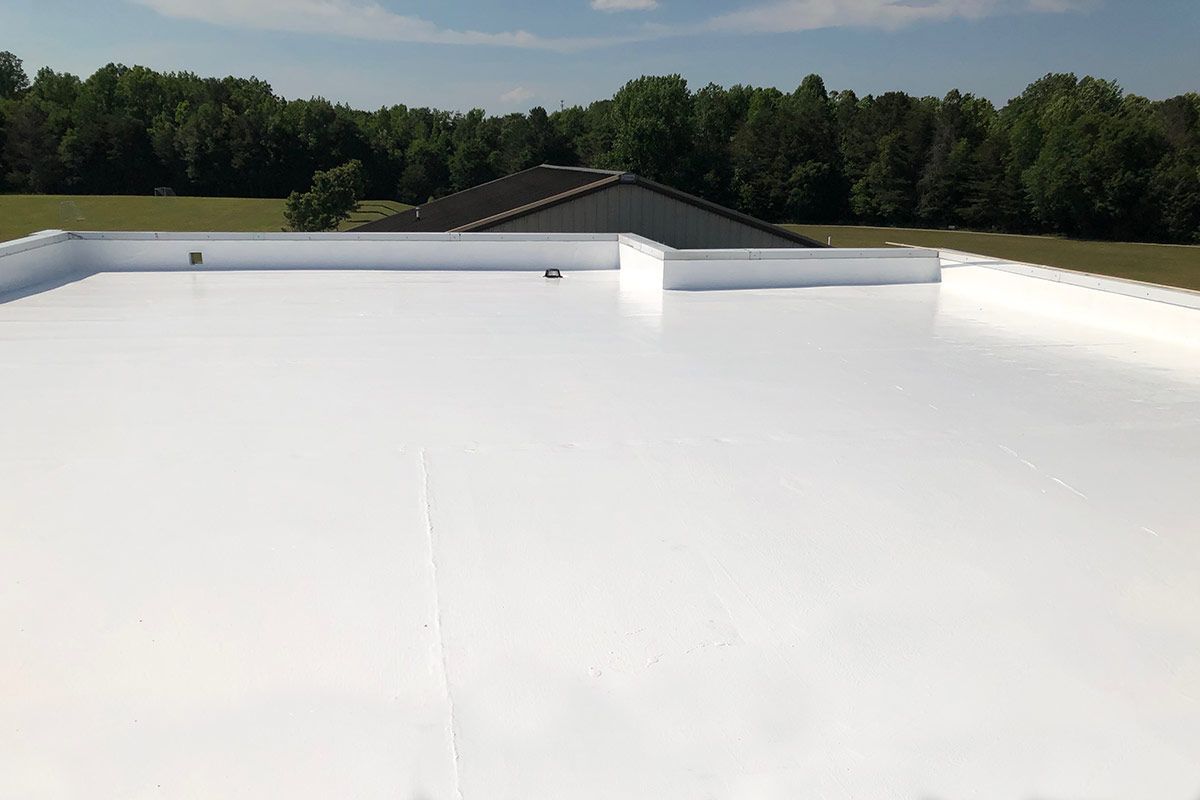
And the low-slope sections many Valley homes have over patios and additions generally should not be tile at all. Those want a proper flat roof system. A good share of the leaks I get called to are right at the transition where a tile field meets a low-slope section.
One more thing plainly. If someone knocks on your door after a storm and says the whole tile roof has to come off, get a second opinion. Often a lift and relay would have done the job.
Find Out What Your Roof Actually Needs
If you are not sure how old your underlayment is, answer that before the next monsoon season rather than during it. We will look at the tile, the underlayment, the flashings and the valleys, and tell you straight whether it is a repair, a lift and relay, or a full replacement.
Call Sun City Roofing Pros at 623-335-4009 for an estimate. Family owned, licensed and insured, local to the West Valley, and we stand behind our work. We serve Sun City, Sun City West, Surprise, Peoria, Glendale, Goodyear, Litchfield Park, Avondale, Buckeye and El Mirage. Learn more about tile roofs, or about roof replacement in Sun City if that is where yours is headed. Still working out which you need? Start with whether you need a new roof.
Frequently Asked Questions
How often does tile roof underlayment need to be replaced in Arizona?
Generally every 20 to 30 years, depending on what was installed and how much heat the roof takes. Older organic felt sits at the short end. Modern synthetic and modified bitumen underlayments last noticeably longer here.
Can you reuse the existing tile on a re-roof?
In most cases yes, as long as the tile is sound. We lift it, stack it, replace the underlayment and flashings, and relay the same tile. Expect to replace a percentage that break during handling or were already cracked. That is normal and we plan for it.
Does a tile roof need maintenance?
Yes, and it is simple. Keep the valleys clear, replace broken tiles promptly so the underlayment is not sitting in direct sun, and check the flashings at penetrations. Broken tile left alone is the most common way an underlayment fails early.
Contact Sun City Roofing Pros
Sun City Roofing Pros
9885 W Union Hills Dr
Suite 8
Sun City, AZ 85373
Phone: 623-335-4009
Stay connected with Sun City Roofing Pros for roofing tips, project updates, and helpful information for property owners and contractors across the Phoenix area.
Follow Sun City Roofing Pros Online: