How Do I Spot Heat Damage on Shingles in Arizona?
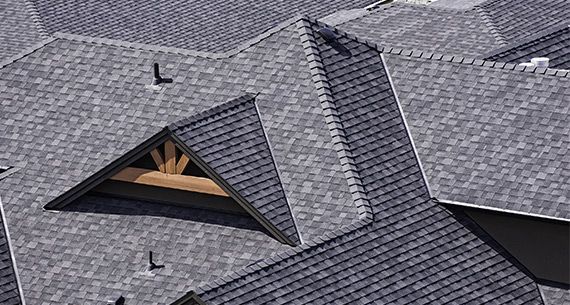
The most common signs of heat damage on shingles in Arizona are granule loss, curled or cupped edges, blisters, cracks, and shingles that turn brittle and snap when you bend them. South- and west-facing slopes usually show it first, because that's where the afternoon sun hits hardest.
Our summers are hard on every kind of roof, but asphalt shingles take it the worst. On a 115-degree day in Sun City, the surface of a dark shingle roof can climb well past 150 degrees. Do that for months every year and the materials start to break down.
The Main Signs of Heat Damage on Shingles
Here's what I look for when I'm up on a shingle roof in the West Valley:
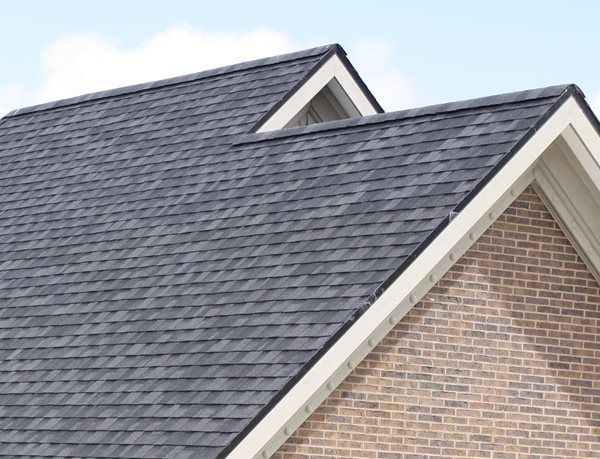
- Granule loss. Those sand-like granules protect the asphalt from UV. When they pile up in gutters or at the bottom of downspouts, the shingles are wearing thin.
- Curling and cupping. Edges that turn up or corners that curl under mean the shingle has dried out and shrunk.
- Blistering. Small bubbles form when heat and trapped moisture push up from underneath. When they pop, they leave bare spots.
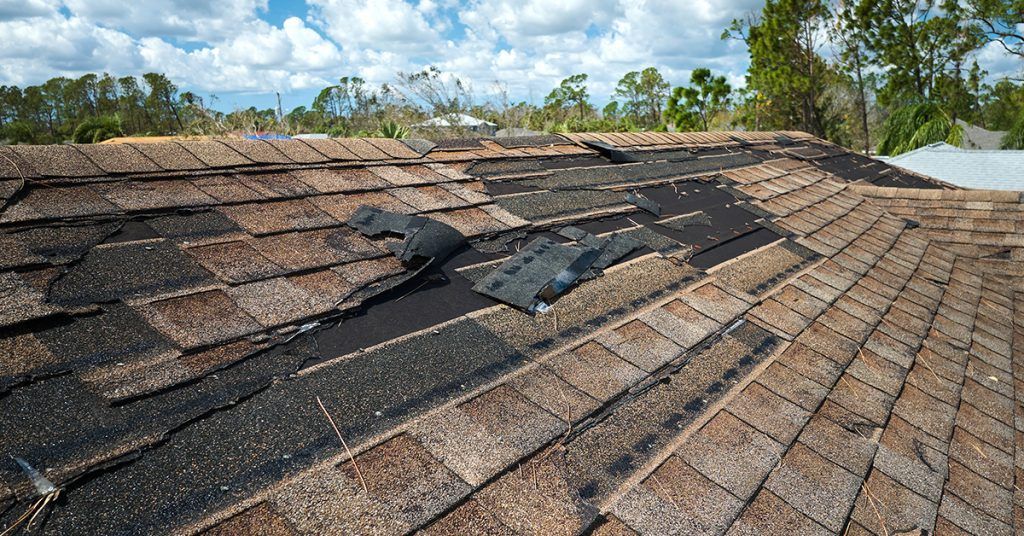
- Cracking and brittleness. A healthy shingle flexes. A heat-damaged one cracks when you lift a tab.
- Bald or faded patches. Uneven color across a slope usually means the granules are gone in that area.
- Thermal splitting. Long, straight cracks across a shingle from constant expanding and contracting.
Why the Attic Matters as Much as the Sun
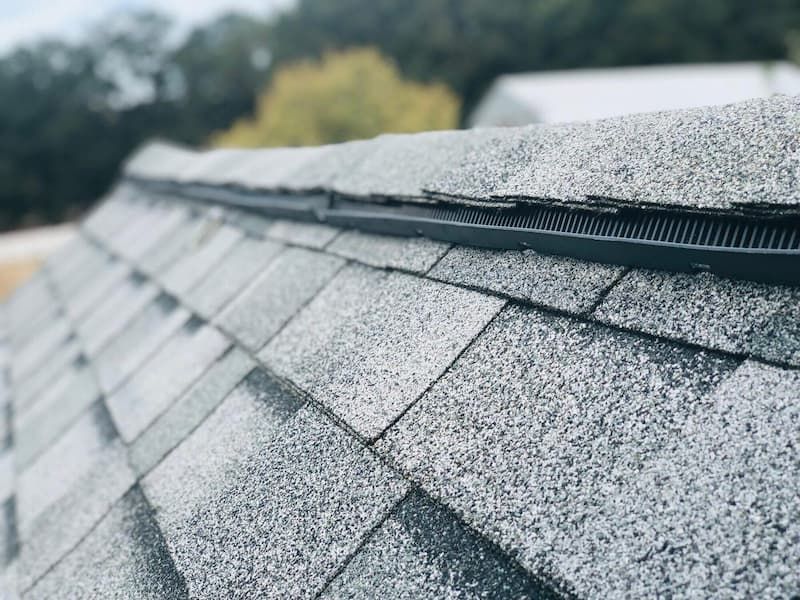
Heat doesn't only come from above. If your attic can't breathe, heat builds up under the roof deck and bakes the shingles from below. I've seen plenty of Sun City and Sun City West homes where the north slope looked as rough as the south slope, and the cause turned out to be blocked soffit vents or too little exhaust venting up top.
Fixing ventilation won't undo damage that's already there, but it can slow down what happens next.
A Roof We Looked at in Sun City West
A homeowner in Sun City West called because they kept finding what looked like black sand on the back patio after windy afternoons. They figured it was dirt blowing in off the golf course.
When we got up there, the west slope had lost most of its granules in big bald patches, and about a dozen tabs snapped when we tried to lift them. The east side looked fine. The attic had two small vents for the whole house. We replaced the damaged section, added proper ventilation, and walked them through what to watch for on the rest of the roof. Catching it when they did kept a section repair from turning into a leak over the bedroom.
Damage That Isn't From Heat
Not every worn shingle is heat damage. Hail leaves round bruises and dents. Wind lifts or tears tabs, usually along the edges and ridges. Foot traffic from a satellite installer or someone hanging holiday lights can crack shingles in a neat little path. And some shingles were simply installed poorly, with too few nails or nails in the wrong spot.
That's why a real roof inspection beats a guess from the driveway. The fix for heat damage is different from the fix for a bad install.
What You Can Do About It
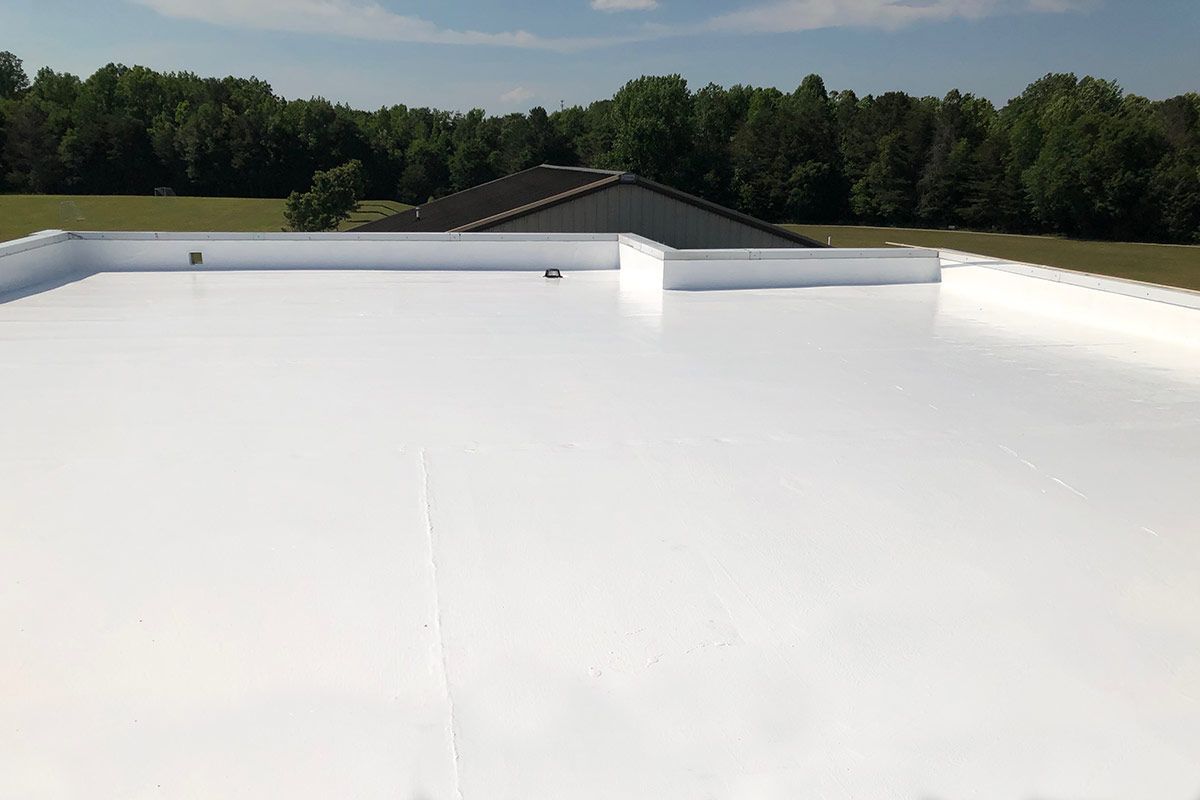
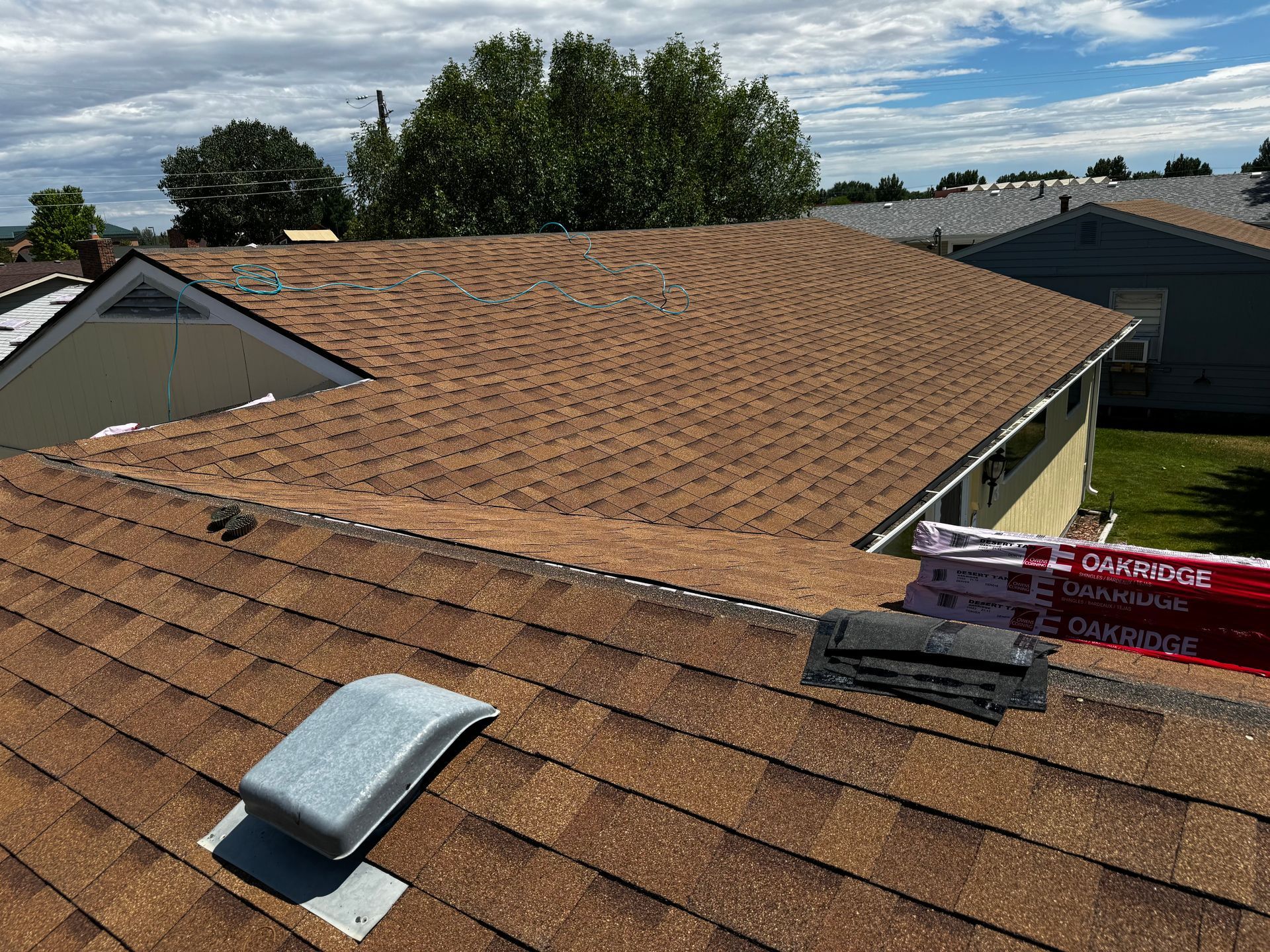
Small areas of heat damage can often be handled with a roof repair in Sun City by replacing the worst shingles and correcting the ventilation. If the damage is spread across most of the roof, patching piece by piece starts to make less sense, and we'll tell you honestly where your roof stands. Our asphalt shingle roofs page covers shingle options that hold up better in our sun, including lighter colors that reflect more heat.
For more on getting a roof through the hottest months, see our post on summer roof repairs.
Get Your Shingles Checked for Heat Damage
If you've spotted granules in your gutters or curled edges from the ground, give us a call before monsoon wind or a winter rain finds the weak spot. Sun City Roofing Pros is a family-owned, licensed and insured roofing company local to the West Valley, and we stand behind our work. We'll check your roof for heat damage on shingles and tell you straight what it needs. Call 623-335-4009 for an estimate or visit our homepage.
Frequently Asked Questions
Can heat damage cause a roof leak?
Yes. Cracked, blistered or curled shingles let water reach the underlayment and deck, especially during monsoon storms.
Is granule loss normal on a new roof?
A few loose granules right after installation are normal. Steady granule loss on an older roof is a sign of wear.
Do lighter shingles help in Arizona?
Lighter and reflective shingles absorb less heat, which can lower the roof surface temperature and reduce attic heat.
Contact Sun City Roofing Pros
Sun City Roofing Pros
9885 W Union Hills Dr
Suite 8
Sun City, AZ 85373
Phone: 623-335-4009
Stay connected with Sun City Roofing Pros for roofing tips, project updates, and helpful information for property owners and contractors across the Phoenix area.
Follow Sun City Roofing Pros Online: